Auto Insurance in Montana: Coverage, Requirements, and Quotes
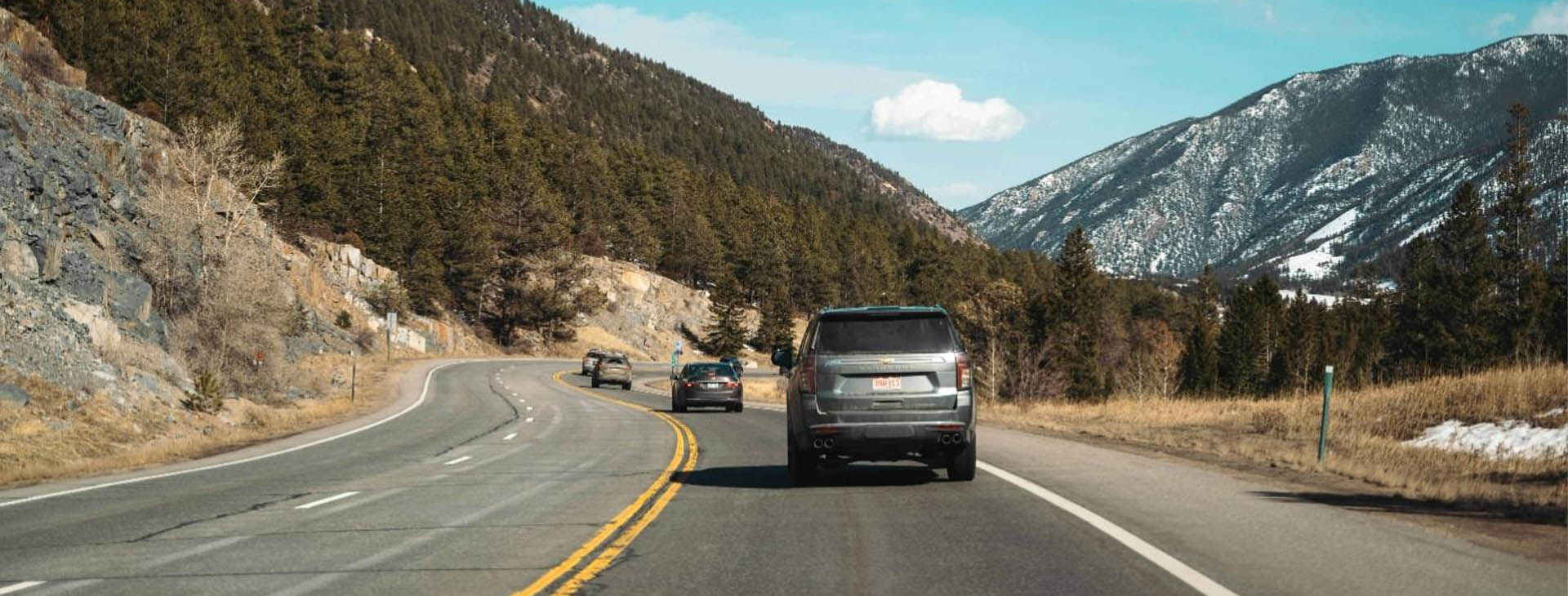
Montana drivers face unique road conditions, from icy mountain passes to rural gravel roads. Obtaining the correct auto insurance policy protects your financial assets and satisfies state legal mandates. Elevare Insurance Agency provides tailored Montana vehicle coverage options for residents in Big Sky Country.
What are Montana’s Minimum Auto Insurance Requirements?
Montana law requires all drivers to carry liability insurance. These limits represent the minimum legal protection required to operate a motor vehicle:
-
- $25,000 for bodily injury to or death of one person in any one accident.
- $50,000 for bodily injury to or death of two or more persons in any one accident.
- $20,000 for injury to or destruction of property of others in any one accident.
Important Asset Protection Note: While state minimums keep you legal, they are rarely enough to cover the true cost of a modern multi-vehicle accident. We specialize in tailoring higher, realistic limits that shield your personal savings and assets from lawsuits. Please note that while the state has minimums, our agency does not write policies below $100,000 / $300,000 / $100,000 coverage.
Comprehensive Montana Auto Insurance Coverage Options
Basic liability satisfies the law but often leaves gaps in protection. Consider these additional coverage types for complete vehicle security:
Collision Coverage
Collision insurance pays for damages to your vehicle resulting from an accident with another car or a stationary object. This is critical for newer vehicles or those with active financing.
Comprehensive Coverage
This covers non-collision incidents common in Montana, including:
-
- Wildlife collisions (deer, elk, or moose)
- Hail damage and severe weather
- Theft or vandalism
- Rock chips and glass breakage
Uninsured/Underinsured Motorist (UM/UIM)
If an individual without insurance causes an accident, UM/UIM coverage pays for your medical expenses and repairs. This prevents out-of-pocket costs when the at-fault party lacks sufficient policy limits.
Medical Payments (MedPay)
MedPay covers medical or funeral expenses for you and your passengers following an accident, regardless of who caused the collision.
Factors Influencing Montana Car Insurance Rates
Insurance carriers analyze specific data points to determine monthly premiums. Key variables include:
-
- Driving Record: A history free of accidents and moving violations lowers costs.
- Vehicle Type: Safety ratings, repair costs, and theft frequency impact rates.
- Location: Rates vary between urban centers like Billings or Missoula and rural counties.
- Annual Mileage: Frequent long-distance travel increases risk exposure.
- Credit History: In Montana, insurance providers may use credit-based insurance scores to assess risk.
Why Choose an Independent Agency for Montana Coverage?
Elevare Insurance Agency functions as an independent broker. Unlike “captive” agents who represent a single carrier, an independent agency compares multiple insurance providers simultaneously. This process identifies the most competitive rates and specific policy features for your situation.
Frequently Asked Questions about Montana Auto Insurance
Is Montana a "no-fault" state?
No. Montana follows an “at-fault” system. The driver responsible for the accident remains liable for the resulting damages and injuries.
Does Montana require Gap Insurance?
The state does not mandate Gap insurance. However, if your vehicle is totaled and you owe more on your loan than the car’s current market value, Gap insurance covers the difference.
Are there discounts for Montana drivers?
Most carriers offer discounts for multi-policy bundling (home and auto), good student status, and vehicles equipped with modern safety features.
Does auto insurance cover mechanical breakdowns?
Auto insurance generally does not cover normal mechanical breakdowns or wear and tear. Insurance policies in Montana are designed for sudden and accidental damage rather than routine maintenance or mechanical failures.
Does auto insurance cover business use of a vehicle?
Personal auto insurance may provide limited coverage for business use, but it depends on how the vehicle is used. Drivers in Big Fork who regularly use vehicles for work may need commercial auto insurance.
Does my insurance cover rental reimbursement after an accident?
Rental reimbursement coverage may help pay for a rental vehicle while your car is being repaired after a covered claim. Drivers in Montana should review daily and total reimbursement limits on their policy.
What is uninsured motorist coverage?
Uninsured motorist coverage can help protect you if you’re hit by a driver who doesn’t have auto insurance. Depending on your policy in Montana, it may help cover medical bills, lost wages, and other expenses after an accident.
Does auto insurance cover hitting a deer?
Yes, hitting a deer is usually covered under comprehensive auto insurance. Drivers in Montana often rely on comprehensive coverage for animal-related accidents, especially during peak deer activity seasons.
What happens if I let my auto insurance lapse?
Allowing your auto insurance to lapse can lead to fines, registration issues, higher future rates, and gaps in protection. Drivers in Montana should avoid coverage interruptions whenever possible to maintain continuous insurance history.
Can I get insurance for a financed vehicle?
Yes, financed vehicles can and should be insured. Lenders in Big Fork, Montana typically require drivers to carry full coverage auto insurance until the loan is fully paid off.
Is full coverage required on a financed vehicle?
Most lenders require full coverage auto insurance on financed vehicles. This usually includes liability, collision, and comprehensive coverage to help protect the lender’s financial interest in the vehicle.
Does working from home affect auto insurance?
Working from home can sometimes lower auto insurance costs if it reduces your daily commute and annual mileage. Drivers in Montana should update their insurance company if their driving habits have changed significantly.
Why are auto insurance rates different between companies?
Insurance companies use different rating systems, claim data, discounts, and underwriting guidelines when calculating rates. That’s why drivers in Montana may receive very different quotes for similar coverage.